Who we are
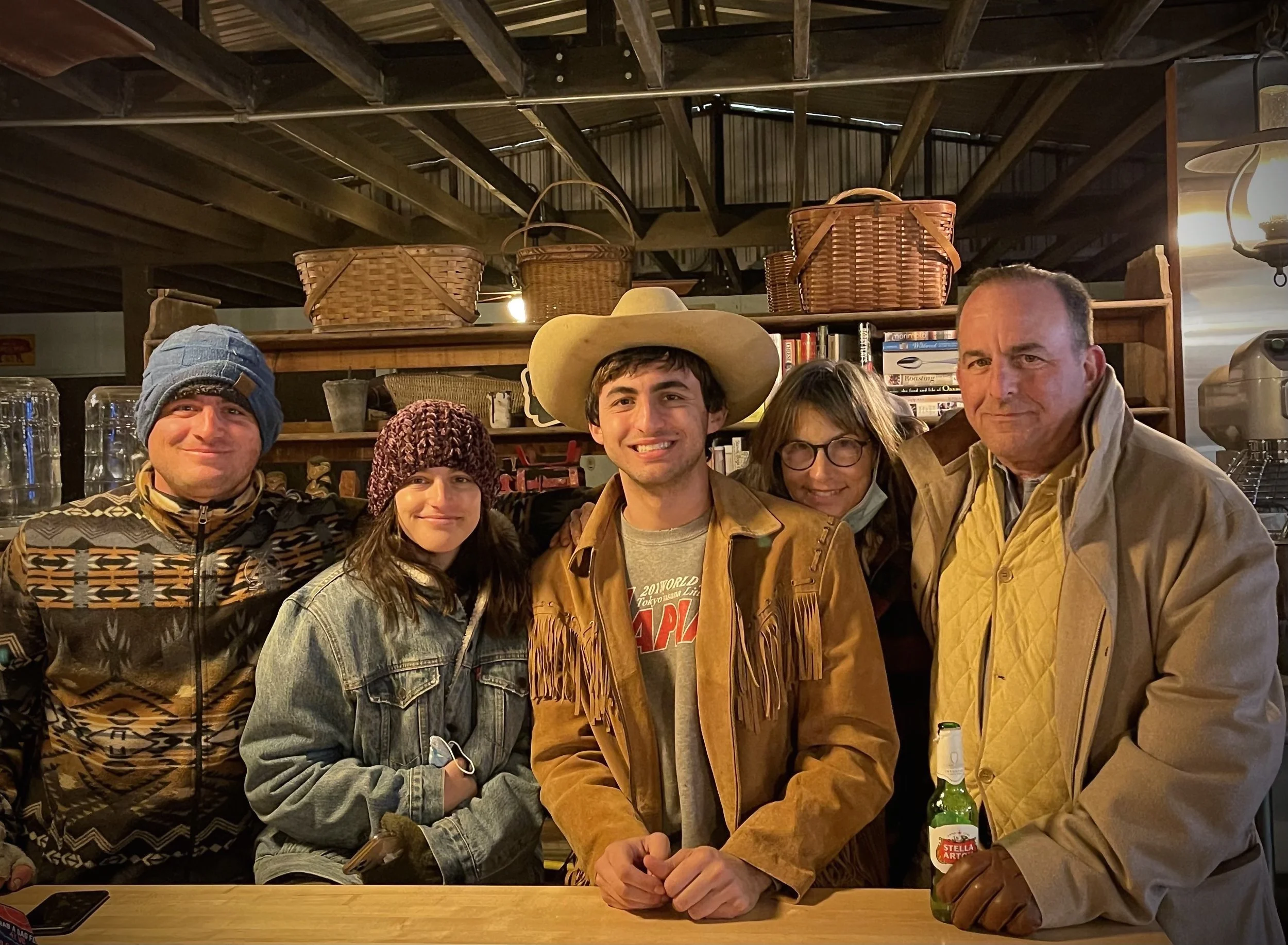
Rancho Grande is a family-owned, family-operated guest ranch in the mountains above Ojai. Richard and Linda Murad host the ranch with their children, Alex, Shelly and Jack. Richard is the former CEO of Murad Skincare and the owner of Beach City Baseball Academy, an El Segundo baseball school known for its competitive travel teams. Richard, Linda and Alex live full-time at Rancho Grande and welcome guests into the place they call home.
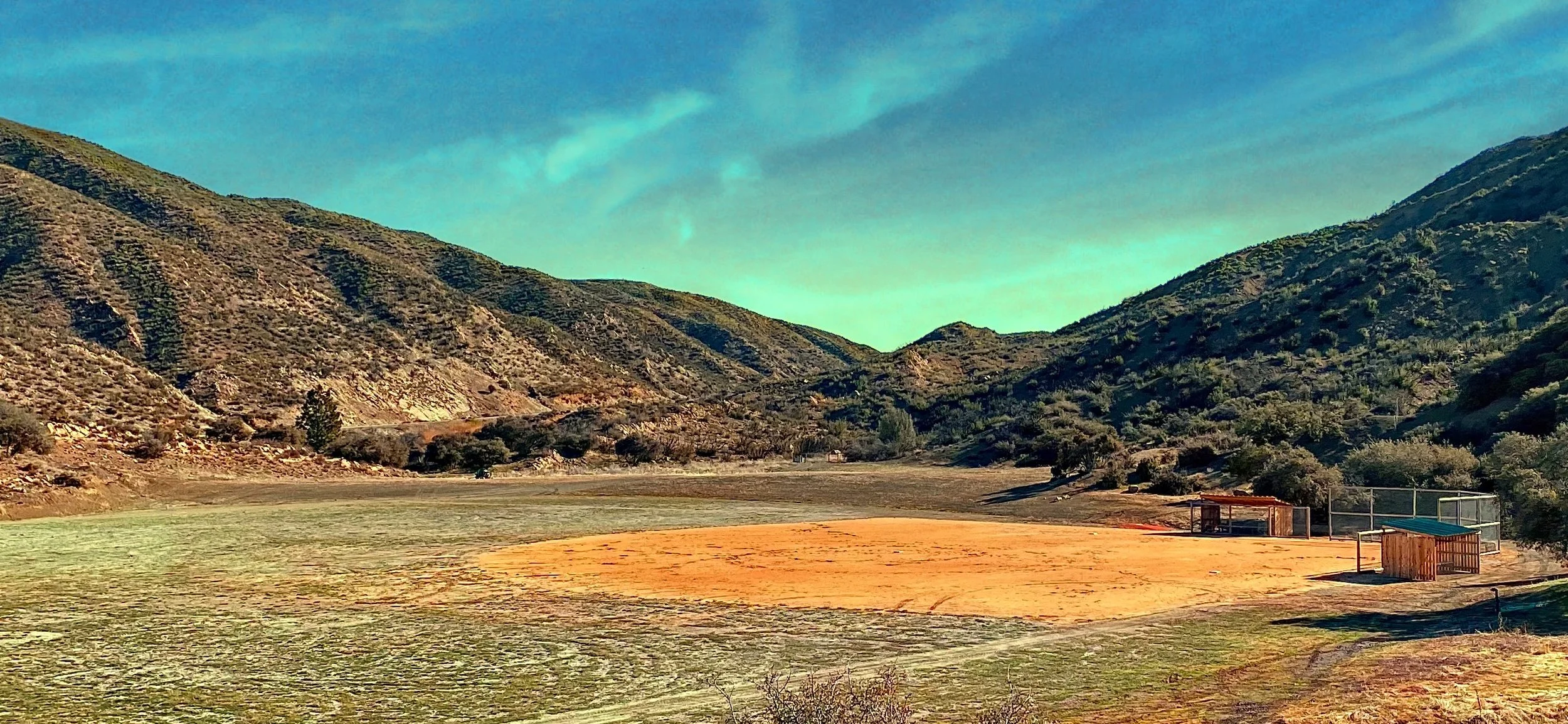
Rancho Grande is also an animal sanctuary—a lifelong home for an extraordinary family of alpacas, goats, sheep, chickens, horses, parrots, pigs, dogs, cats, guinea pigs and Albert the camel. Many arrived after their former owners could no longer care for them. Here they live peacefully alongside the deer, birds and other wildlife of Los Padres National Forest. Our family funds their food, shelter and veterinary care and does not solicit donations.
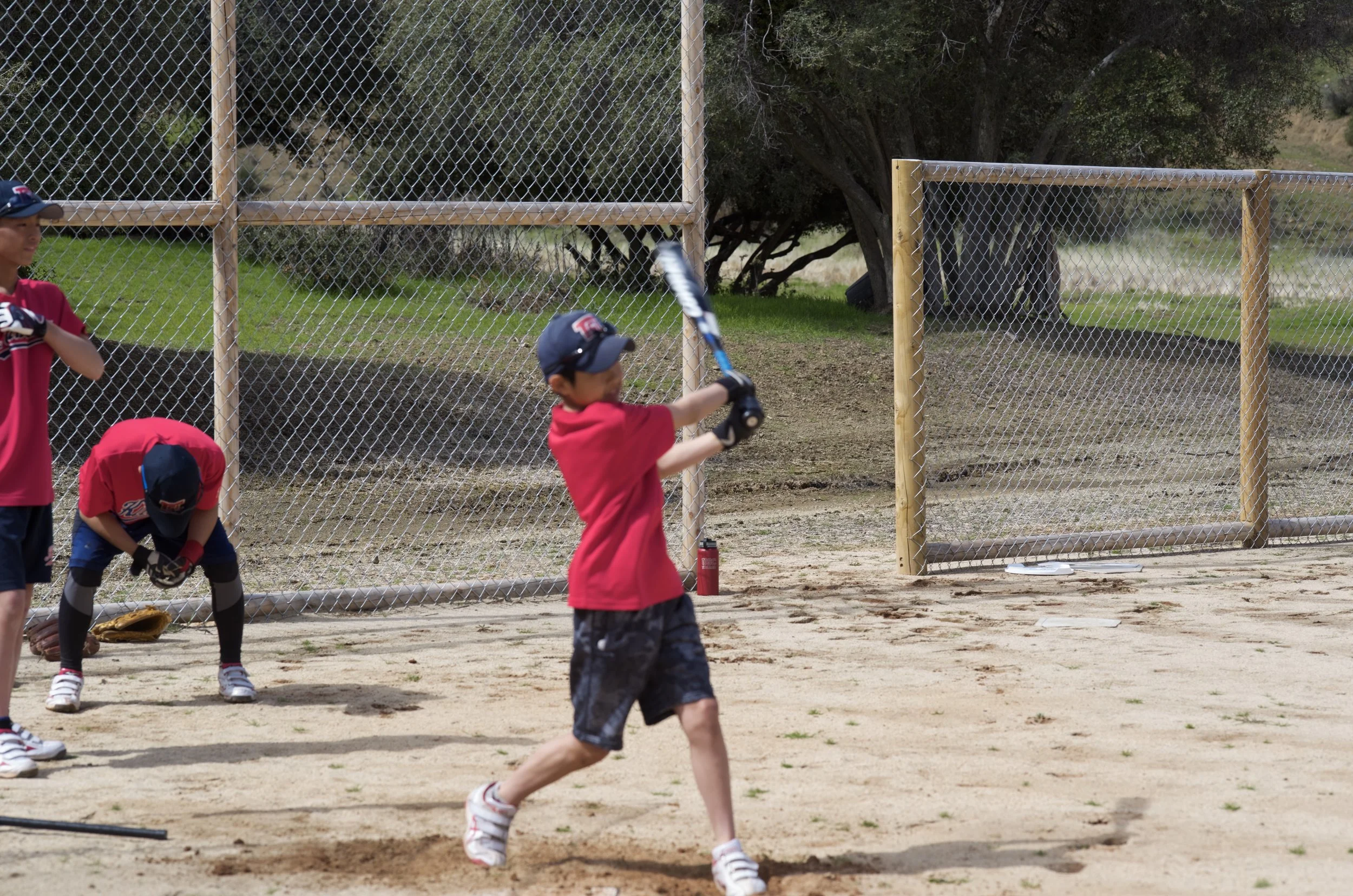
The story began with Richard’s lifelong dream of building a summer camp in the forest: a place where children could get outside, discover animals and make memories that would last. In 2015, the family found Rancho Grande—a secluded 200-acre historic ranch with open land, ponds and mountains—and imagined a youth baseball camp for the children of Beach City Baseball Academy.
The experts originally expected the camp to open in 2016. Then, after a year of environmental, archaeological, seismic and road studies, everyone discovered one stubborn complication: because the ranch gate sits 1.1 miles from Route 33, a larger development would require a second evacuation route or an approved alternative plan. In other words: fuhgeddaboudit—at least for the original version of the dream.
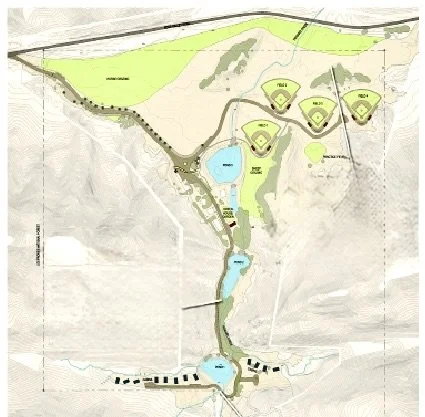
That would have been useful information before the environmental studies, archaeological work, seismic testing and everything else. But the family had fallen in love with the ranch. Instead of walking away, they moved here full-time, cared for the land and animals, and slowly created the intimate Ojai guest-ranch experience visitors enjoy today.
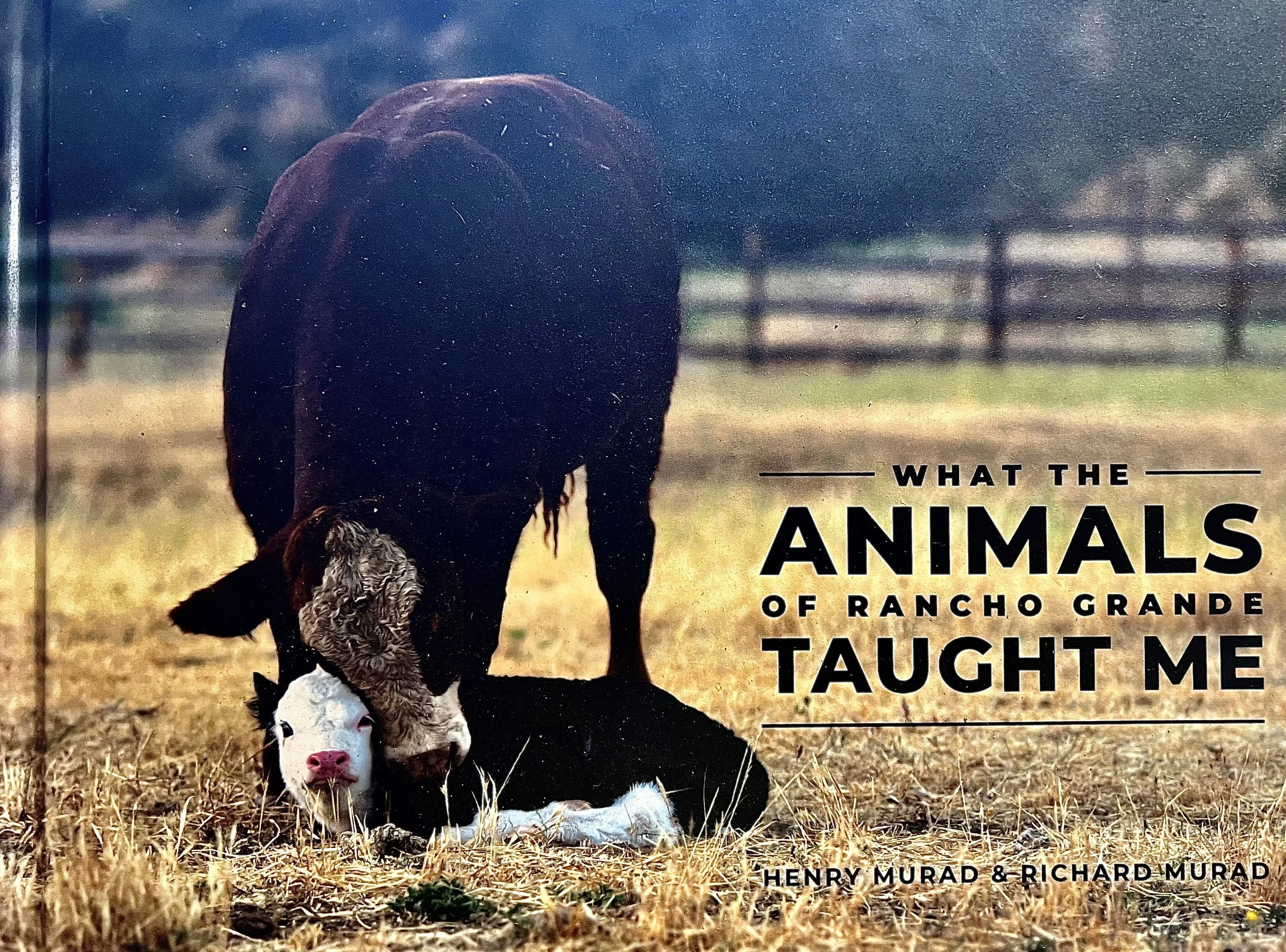
The animals also inspired a picture book about what their expressions, relationships and everyday lives can teach us. Its photographs and reflections capture the humor, tenderness and unexpected wisdom found throughout Rancho Grande.
The Land
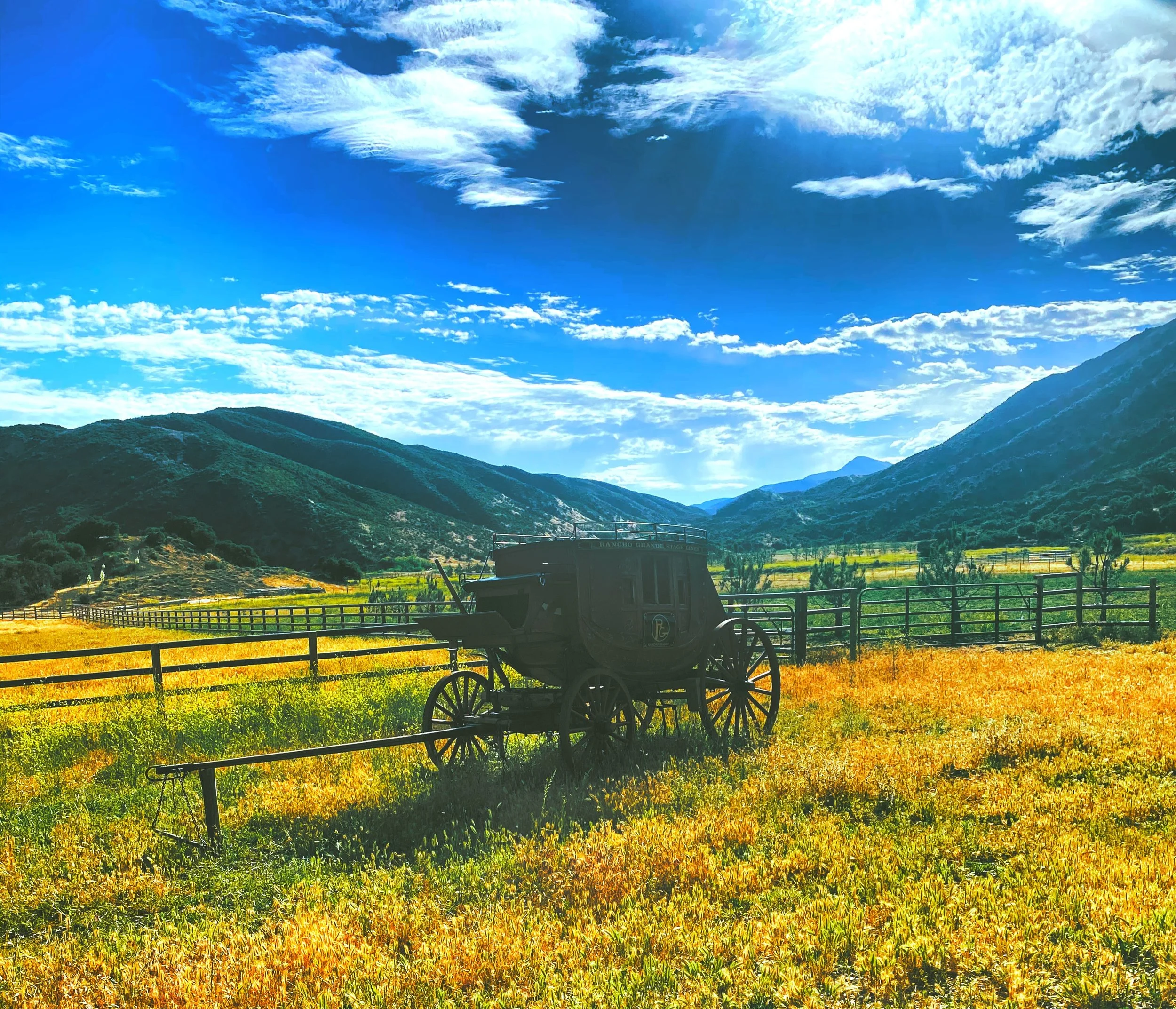
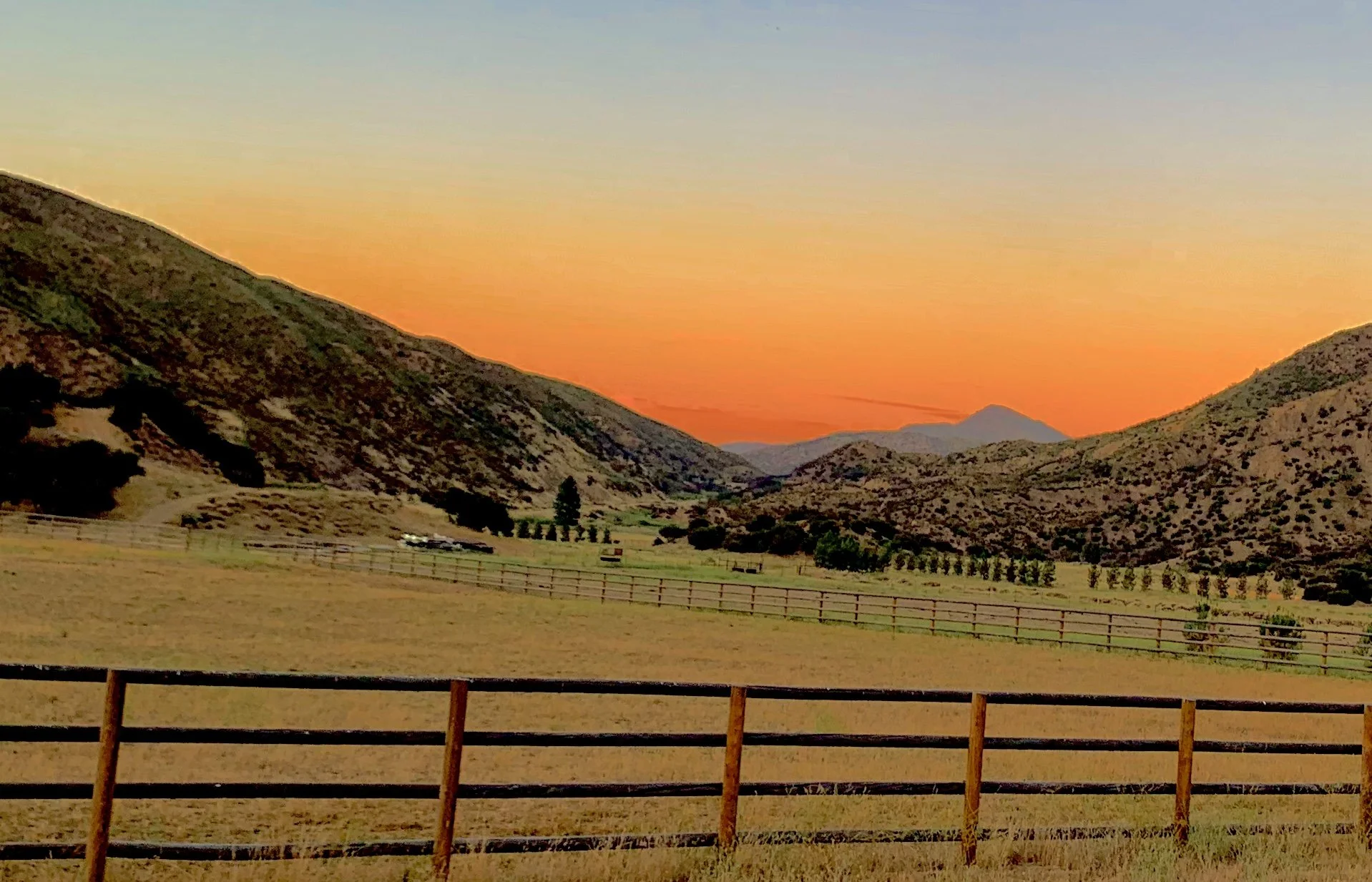
Established around 1870, Rancho Grande predates the creation of Los Padres National Forest. That history explains how 200 acres can remain privately owned within the surrounding public forest. The property has served as a mountain cattle ranch, grazing land and working ranch for generations. Howard Creek flows through the property year-round, feeding the ponds before continuing toward the Sespe River. Today guests experience the same secluded landscape with modern comforts: horseback rides, moonlight walks around Upper Lake, meals by the fire and nights without traffic, city lights or nearby neighbors.
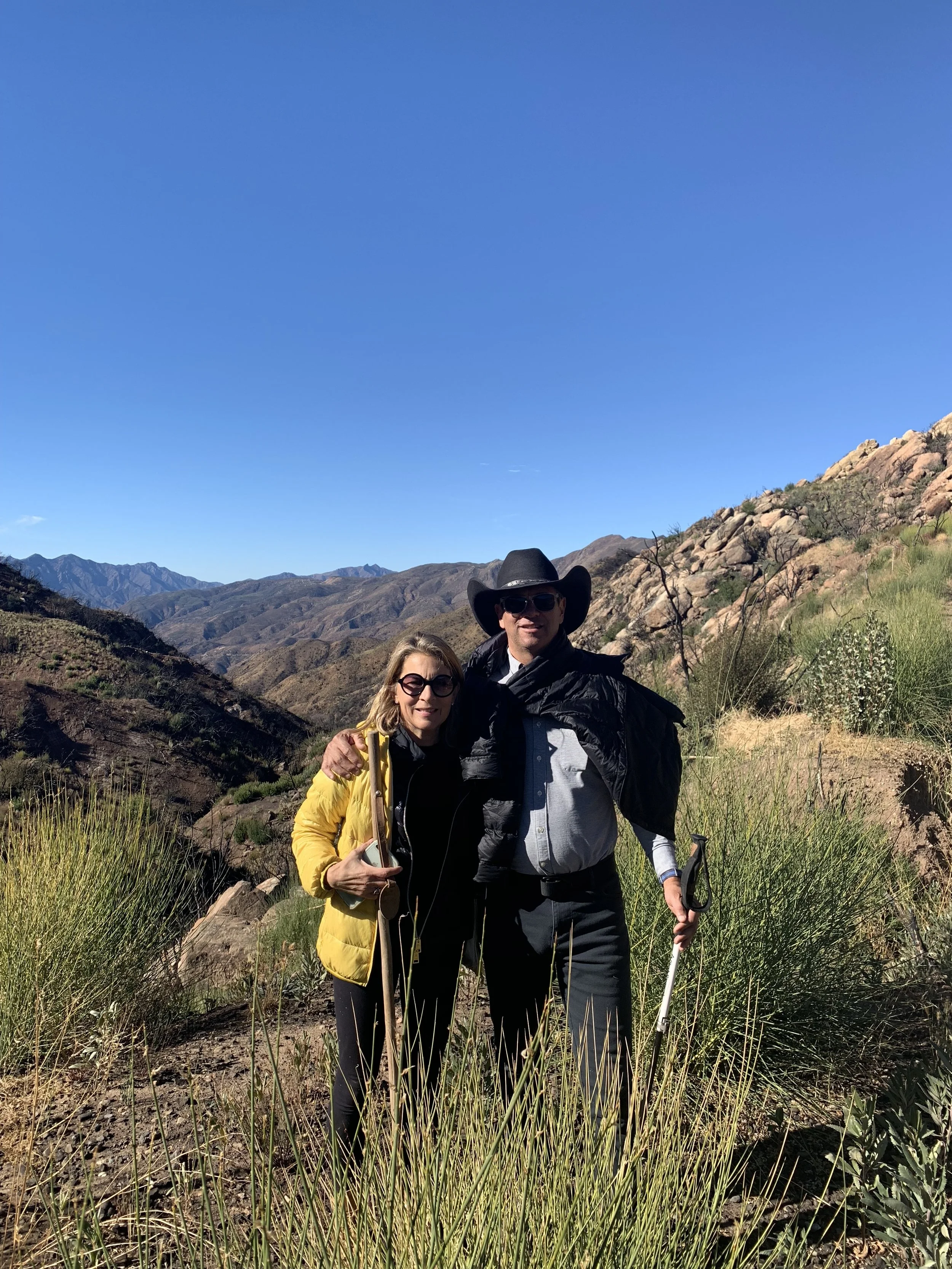
The nearby Howard Creek Trail and surrounding mountain routes reveal another layer of local history. Howard Creek was named for Jeff Howard, who came to the area in 1875 and established a cattle ranch in 1877. His turbulent frontier story included a prison sentence, escapes and a final life in Arizona. Parts of the local trail and pond system were later built or improved by a U.S. Navy Construction Battalion—the Seabees—during training at Rose Valley.

Rancho Grande is recognized through the National Wildlife Federation’s Certified Wildlife Habitat program. The certification reflects our commitment to providing food, water, shelter and places for wildlife to raise their young while caring responsibly for the surrounding forest ecosystem.